

Executive Summary: Why Clean Label Matters to Manufacturers
For food and beverage manufacturers, clean label is no longer just a marketing phrase. It has become part of how consumers evaluate foods, how retailers review products, and how brands build trust before a product reaches the shelf.
A clean label strategy starts in formulation. It depends on the ingredients selected, the claims made, the documentation available, the product quality achieved, and the ability to scale without adding unnecessary complexity.
That is where fruit puree becomes relevant. For manufacturers developing beverages, dairy products, frozen desserts, sauces, baked goods, or fermentation-based products, aseptic fruit puree can help deliver real fruit character while supporting simpler ingredient lists and more recognizable labeling.
Key takeaways:
- Clean label is now connected to retail readiness, not just marketing.
- Fruit puree can help simplify ingredient lists while supporting flavor, color, texture, and fruit identity.
- Food safety, labeling, documentation, and supplier approval remain critical.
- Clean label products still need to perform during processing, packaging, storage, and scale-up.
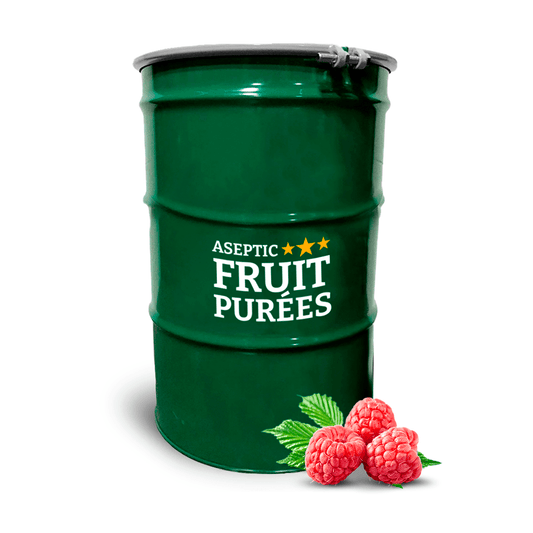
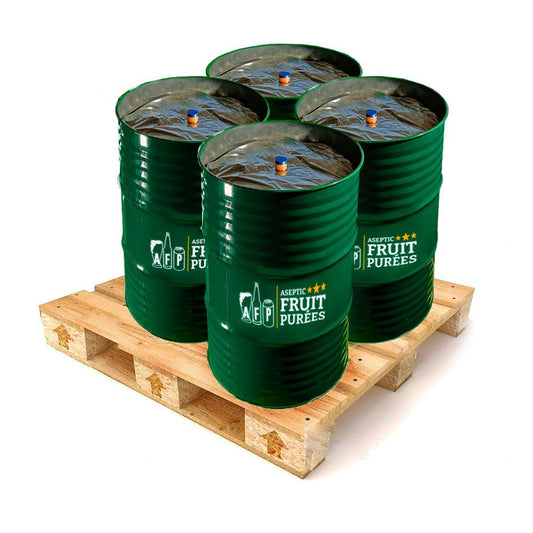
- AFP Aseptic Fruit Purees support manufacturers with real fruit ingredients designed for R&D, pilot production, and commercial use.
Quick Answer: Can Fruit Puree Support Clean Label Products?
Yes. Fruit puree can help food manufacturers support clean label product development by providing a recognizable fruit ingredient that contributes flavor, color, texture, acidity, and fruit identity. While clean label requirements depend on the complete formulation, fruit puree can help simplify ingredient lists and support consumer demand for recognizable ingredients.
Manufacturers developing beverages, dairy products, sauces, bakery products, frozen desserts, and fermented beverages often use fruit puree to create fruit-forward products while maintaining a cleaner ingredient story.
Clean Label: What Does the Label Mean for Manufacturers?
Clean label does not have one universal regulatory definition. For manufacturers, clean label is usually understood as a product approach built around recognizable ingredients, fewer artificial ingredients, simple ingredient lists, and clearer communication with consumers.
Clean label principles are not about removing ingredients without a reason. They are about building products that are easier to understand while still meeting food safety, nutrition, stability, product quality, and performance expectations.
For B2B product development teams, the real question is not only “does this label look simple?” The better question is: can this product stay simple, stable, scalable, and compliant when it moves from R&D to commercial production?
Why Consumers Continue to Prefer Clean Label Products
Consumers are paying closer attention to ingredient statements than ever before. Research consistently shows that shoppers increasingly favor products that contain recognizable ingredients and fewer artificial components.
For food manufacturers, clean label is no longer only about consumer perception. Retail buyers, distributors, foodservice operators, and procurement teams often evaluate products through a similar lens. Products that communicate ingredient transparency can be easier to position within premium, natural, better-for-you, and fruit-forward categories.
The clean label movement is ultimately rooted in trust. Consumers want to understand what they are eating, and brands that communicate ingredients clearly are often better positioned to build long-term loyalty.
While ingredient simplicity matters, product quality, food safety, nutrition, shelf stability, and manufacturing performance remain equally important. The most successful clean label products balance transparency with real-world functionality.
Clean Label Formulation vs Complex Ingredient Lists
Many food products rely on long ingredient systems to deliver flavor, color, stability, texture, or shelf life. Those systems can be technically useful, but they may also make the ingredient list harder for retailers and consumers to understand.
A fruit-forward product should not need to depend only on artificial flavors to create fruit character. When the application allows it, fruit puree can help manufacturers build flavor and color around a recognizable ingredient.
|
Factor |
Complex Ingredient Approach |
Clean Label Fruit Puree Approach |
|
Ingredient list |
Longer and more technical |
More recognizable |
|
Fruit identity |
Often flavor-system driven |
Built around real fruit puree |
|
Consumer understanding |
Lower |
Higher |
|
Retail positioning |
May require more explanation |
Easier to communicate |
|
Formulation role |
Multiple additives may be needed |
Fruit puree can support flavor, color, texture, and acidity |
|
Scale-up risk |
Depends on full ingredient system |
Requires testing, but supports a clearer product story |
|
Documentation needs |
High |
Still important, but ingredient identity is clearer |
This comparison matters because clean label products must work beyond the package. They need to taste good, remain stable, meet safety standards, satisfy regulatory review, and scale in real production environments.
Products and Ingredient Lists
Products are often judged by their ingredient lists before consumers ever taste them. A shorter, more recognizable ingredient statement can help a product feel more transparent, especially in categories where shoppers are avoiding artificial ingredients or long technical names.
This does not mean every long ingredient list is bad or every short list is automatically better. Food safety, shelf life, processing, nutrition, packaging, and regulatory requirements still matter. But from a commercial perspective, ingredient simplicity can help brands communicate more clearly.
Brands and Retail Expectations
Brands are under pressure to create products that feel trustworthy and easy to understand. The clean label trend reflects this shift, especially as retailers and consumers pay closer attention to transparency, ingredient lists, and product quality.
For brands, every ingredient has to justify its place in the formula. Artificial flavors, artificial preservatives, certain food additives, colors, stabilizers, and other substances may still have technical functions, but they can create friction when a product is being positioned as simple or fruit-forward.
What Retail Buyers Need to See
Retail buyers are not only looking at the front of the package. They are also evaluating whether a product’s claims, ingredients list, nutrition profile, and supplier story make sense together.
For manufacturers, this means clean label development should begin before packaging design. The product needs to be built around ingredients that support both consumer-facing claims and production reality.
Fruit Puree as a Clean Label Ingredient
Aseptic fruit puree can support clean label practices because it gives manufacturers a recognizable fruit-based ingredient with practical functionality. It can bring fruit flavor, color, aroma, texture, and acidity into the formula without making the ingredient statement feel disconnected from the product promise.
Fruit puree does not automatically make an entire product clean label by itself. The full formula still matters, including sweeteners, acids, stabilizers, colors, preservatives, processing aids, packaging, and claims. However, fruit puree can make clean label development easier because it gives brands a real fruit ingredient to build around.
AFP offers aseptic fruit purees for food and beverage manufacturers, helping teams build fruit-forward products with ingredients designed for industrial applications.
Natural Ingredients Without Overcomplicating the Formula
Natural ingredients are a major part of clean label positioning. Innova Market Insights reports that global clean label demand is connected to recognizable, minimal, and natural components, as consumers look for more transparency and trust in food and beverage products.
For manufacturers, this does not mean every ingredient must be removed. It means each ingredient should have a clear role in the formula. Fruit puree can support this because it contributes multiple formulation benefits through one recognizable fruit ingredient.
Flavor, Color, Texture, and Fruit Identity
Fruit puree can help manufacturers add real fruit character while supporting flavor, color, mouthfeel, acidity, and product identity. This can be especially useful in beverages, dairy products, frozen desserts, sauces, bakery fillings, and fermented products.
The advantage is not only sensory. It is also commercial. A fruit-forward product becomes easier to explain when the ingredient list includes real fruit puree instead of relying only on flavor systems.
AFP’s Role in Clean Label Product Development
AFP Aseptic Fruit Purees are designed for manufacturers that need real fruit ingredients for R&D, pilot production, and scale-up. For clean label products, the value is not just flavor. It is the combination of fruit identity, supplier documentation, application flexibility, and production-ready formats.
Manufacturers can use AFP purees to test fruit performance in real formulas before moving toward larger production runs.
Food Safety, Labeling, and Documentation
Food safety must remain the foundation of clean label development. A formula should not remove functional ingredients just to look cleaner if that creates risk for shelf life, stability, or safety.
FDA states that food manufacturers are responsible for marketing safe foods and ensuring the safety and regulatory status of the ingredients they use before products are available to consumers. FDA also notes that, in general, ingredients must be declared on food labels unless an exemption applies.
For manufacturers, this means clean label decisions should always be reviewed by QA, regulatory, and product development teams. A cleaner ingredient list is valuable only if the final food product remains safe, stable, compliant, and consistent.
Labeling and Claim Review
Labeling is one of the most important parts of clean label execution. Manufacturers need to understand how every ingredient appears on the final package and whether any claims need additional review.
Claims such as “made with real fruit,” “no artificial flavors,” “no artificial preservatives,” “simple ingredients,” or “natural ingredients” should be supported by the formula and reviewed based on the market where the product will be sold.
Product Specifications and Supplier Documentation
Supplier documentation supports QA approval, traceability, regulatory review, product quality, and supplier qualification. For fruit puree, manufacturers should review specifications, ingredient statements, storage guidance, lot traceability, and processing details before approving use in a product.
For support with fruit puree documentation, manufacturers can review fruit puree specifications and product details before finalizing product development or labeling decisions.
Food Additives and Artificial Ingredients
Food additives are used for many technical reasons, including preservation, texture, stability, acidity control, color, and processing performance. In clean label development, the goal is not always to remove every functional ingredient. The goal is to use ingredients intentionally and avoid unnecessary complexity.
Manufacturers often review whether artificial flavors, artificial preservatives, artificial colors, or other chemicals can be reduced without hurting taste, safety, stability, or product quality. In some applications, fruit puree may help reduce reliance on certain artificial ingredients, but the final result should always be validated in the actual formula.
Transparency, Testing, and Supplier Verification
Clean label products still require rigorous supplier verification, documentation, testing, and quality review. Manufacturers should evaluate ingredients based on food safety requirements, regulatory compliance, supplier transparency, traceability, and application performance.
Some brands pursue third-party certifications or additional testing programs as part of their quality strategy. Others focus on supplier documentation, product specifications, traceability systems, and internal quality standards.
Regardless of the approach, clean label success depends on understanding exactly what is in a product, how ingredients are sourced, and how they perform during commercial production.
Clean Label Project and Third-Party Certifications
Clean Label Project is one example of a third-party certification program that evaluates products for certain contaminants and chemicals of concern. Manufacturers should evaluate whether certifications align with retailer expectations, category requirements, consumer preferences, and internal quality goals.
Supplier Transparency and Documentation
The strongest clean label programs begin with supplier transparency.
Manufacturers should review:
- Product specifications
- Certificates of Analysis (COAs)
- Ingredient statements
- Lot traceability
- Storage guidance
- Regulatory documentation
These documents help support quality assurance, regulatory review, supplier approval, and commercialization efforts.
Product Quality and Scale-Up
Product quality is where clean label strategy becomes practical. A formula may look clean in a lab sample, but it still needs to perform during processing, packaging, storage, shipping, and consumer use.
Manufacturers need to confirm that clean label changes do not create problems with separation, color stability, flavor loss, microbial risk, texture changes, or production performance. This is especially important in beverages, dairy products, sauces, bakery fillings, frozen desserts, and fermented products.
Aseptic fruit puree gives manufacturers a fruit ingredient that can be tested in real application conditions. Teams can request fruit puree samples to evaluate performance before scaling.
R&D and Pilot Testing
R&D teams should test fruit puree in the final application, not only as a standalone ingredient. A puree may taste strong on its own but behave differently once it is blended with acids, stabilizers, dairy bases, alcohol, sweeteners, or other ingredients.
Pilot testing helps confirm flavor, color, texture, stability, and process fit before commercial production.
Scaling Clean Label Products
Clean label products cannot succeed if the ingredients are difficult to scale. A product may start with a clean formula in the lab, but if the fruit ingredient creates supply issues, inconsistent quality, or production delays, the product becomes harder to commercialize.
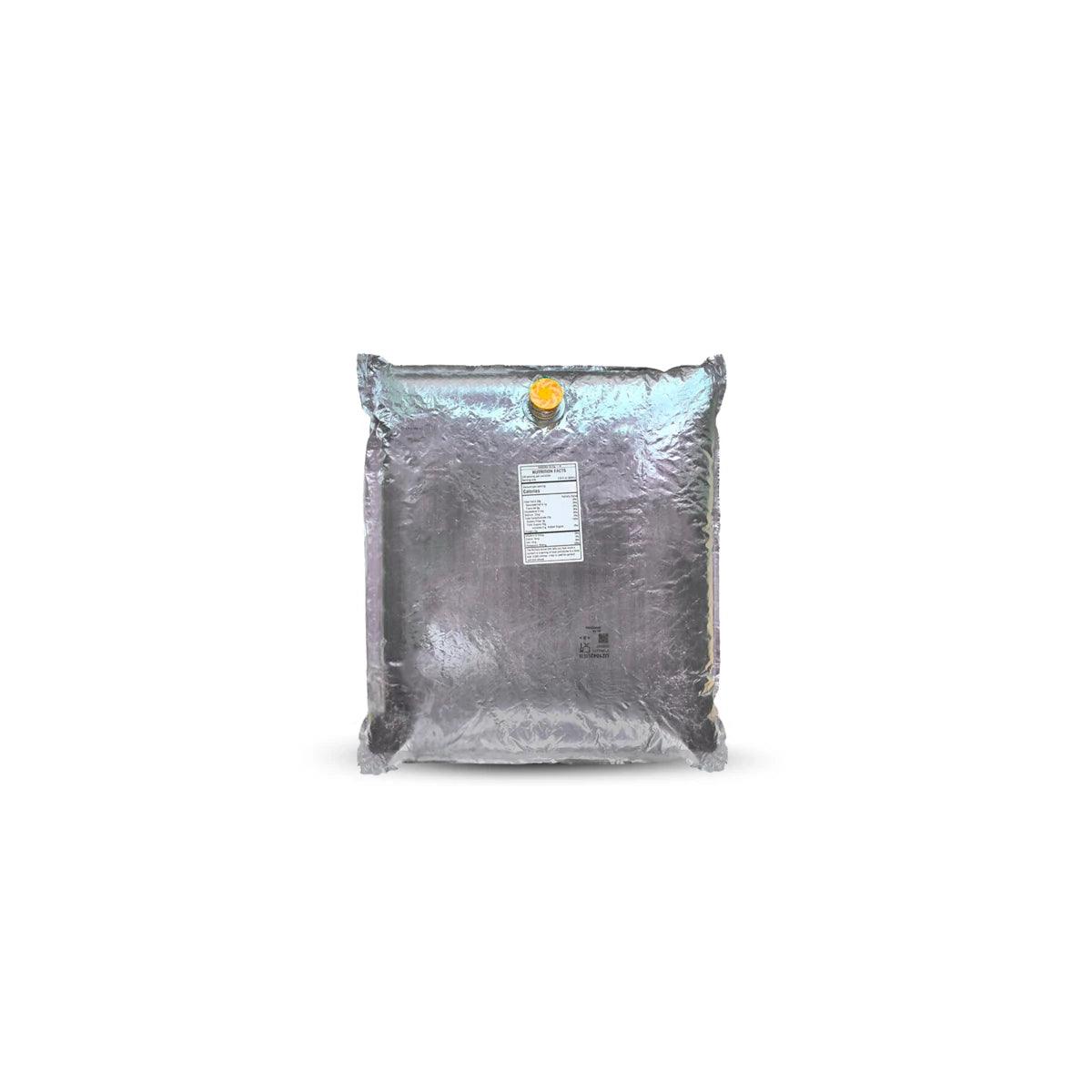
Manufacturers can explore bulk fruit puree options based on application, production size, and flavor needs.
The Future of Clean Label Product Development
Clean label product development continues to evolve beyond simple ingredient reduction. Today’s manufacturers are balancing transparency, functionality, retailer expectations, and consumer preferences while developing products that can succeed at commercial scale.
One major trend is premiumization. Consumers increasingly seek products made with recognizable ingredients that feel authentic, minimally processed, and thoughtfully formulated. Fruit-forward products often align naturally with this expectation because they connect directly to ingredients consumers already recognize.
Ingredient transparency is also becoming more important across food and beverage categories. Consumers, retailers, and distributors are paying closer attention to ingredient statements and product claims, creating additional pressure for manufacturers to simplify formulations where practical.
At the same time, manufacturers are searching for multifunctional ingredients that support flavor, color, texture, acidity, and product identity without adding unnecessary complexity. Fruit puree can play an important role in this shift by delivering multiple formulation benefits through one recognizable ingredient.
The future of clean label product development will not be defined by the shortest ingredient list. It will be defined by products that successfully balance transparency, product quality, food safety, functionality, and scalability
Choosing a Fruit Puree Supplier for Clean Label Products
Food manufacturers should evaluate fruit puree suppliers based on more than flavor. The right supplier should support clean label principles with clear product information, consistent documentation, traceability, and practical application support.
Manufacturers should review whether the puree contains added sugar, added water, artificial preservatives, artificial colors, artificial flavors, or other ingredients that may affect label positioning.
At AFP, fruit purees are designed for food and beverage manufacturers that need real fruit ingredients for R&D, pilot production, and scale-up. Teams can contact AFP to discuss sourcing, documentation, and application needs.
What Manufacturers Should Ask Before Approval
Before approving a fruit puree, manufacturers should ask whether the supplier can support the product beyond the sample stage. This includes specifications, COAs, storage instructions, lot traceability, sourcing support, and application guidance.
The best supplier is not only the one with the right flavor. It is the one that helps R&D, QA, procurement, and production teams move toward commercialization with fewer unknowns.
Frequently Asked Questions About Clean Label and Fruit Puree
What does clean label mean in food manufacturing?
Clean label usually refers to products made with simpler, more recognizable ingredients and fewer artificial ingredients. For manufacturers, it also means balancing ingredient simplicity with food safety, product quality, labeling, and regulatory requirements.
Can fruit puree support clean label products?
Yes. Fruit puree can support clean label products by adding real fruit flavor, color, texture, acidity, and identity through a recognizable ingredient.
Is clean label the same as natural or organic?
No. Clean label, natural, and organic are not the same thing. Organic has specific certification requirements, while clean label is more commonly associated with ingredient simplicity, transparency, and consumer-friendly ingredient lists.
Does clean label mean no food additives?
Not always. Some food additives serve important functions for safety, texture, stability, or shelf life. Clean label development is about using ingredients intentionally and making the product easier for consumers to understand.
What is Clean Label Project certification?
Clean Label Project certification is a third-party certification focused on product testing for certain contaminants and chemicals of concern. It is separate from general clean label positioning.
Final Takeaway: Clean Label Needs More Than a Simple Ingredient List
Clean label is no longer just a front-of-package message. It is part of how food and beverage manufacturers build trust, simplify ingredient lists, support retailer expectations, and prepare products for scale.
Aseptic fruit puree can help manufacturers develop fruit-forward products with recognizable ingredients, strong application flexibility, and production-ready formats. It gives brands a practical way to connect real fruit identity with clean label expectations.
Explore AFP Aseptic Fruit Purees: